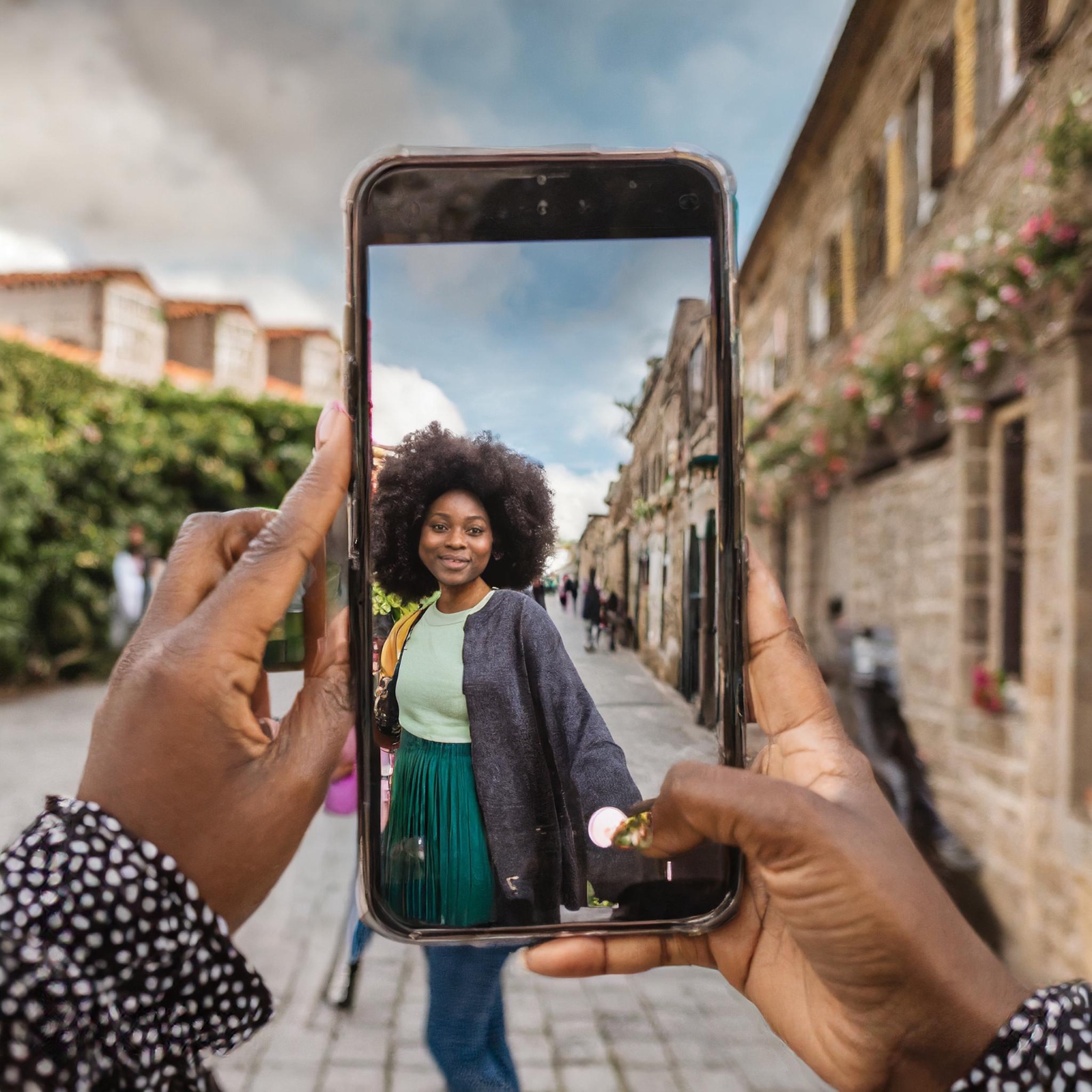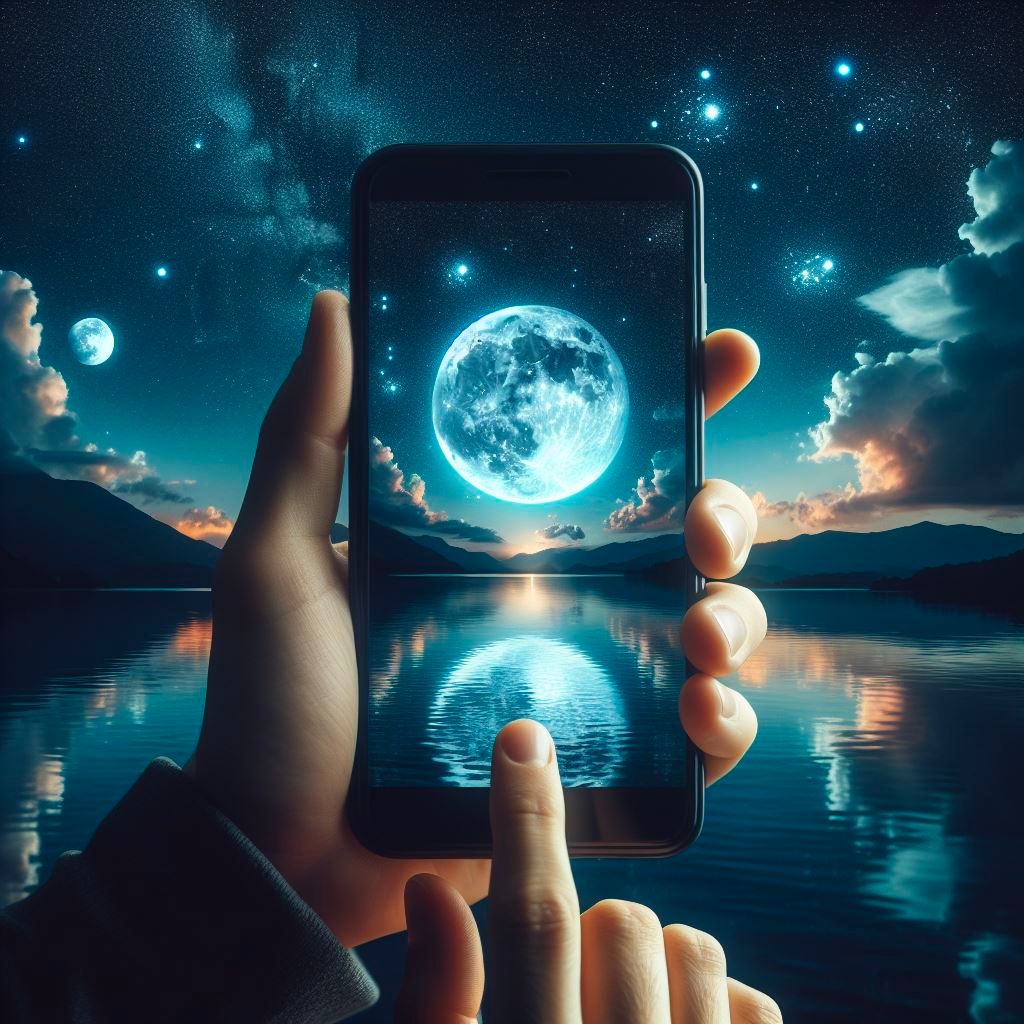
Samsung's Galaxy series prioritizes top-notch camera experiences, utilizing AI technology like Scene Optimizer to recognize and enhance moon photography since the S21 series. This involves deep learning-based AI and multi-frame processing for high-quality moon images.
The Moon's latest capture showcases Samsung's Galaxy S21 Ultra. With its quad-camera system and impressive 100x "space zoom," the $1,200 phone earned praise for its focus on key features. A photo taken on January 19 using the S21 Ultra's 100x zoom, default settings, Scene Optimizer, and Zoom Lock reveals stunning details, including surface craters. In comparison, the iPhone 12 Pro Max produced a blurry image lacking detail.
In essence, "moon mode" utilizes AI to enhance moon photos with detail and color sharpening. Despite lacking corroboration for Yue's tests, the controversy seems unsubstantiated. However, the accusation persists, with influencers like Bexi alleging that Huawei phones fake their moon photos due to the company's history of deceptive practices. Huawei has been caught multiple times passing off DSLR-taken photos as those from its phones. This lack of trust extends to Samsung, linking it to the alleged cheating. Regarding Bexi's claim of the S21 Ultra adding texture to moon-shaped objects, the author attempted to replicate it but found no evidence, even when photographing a clove of garlic that resembled the moon. Similarly, testing with a photo of the Moon from Google Images yielded no results.
Galaxy cameras employ Super Resolution and Scene Optimizer to capture clear moon photos. Super Resolution synthesizes over 10 images taken at 25x zoom or higher to enhance clarity and eliminate noise. This technology utilizes multi-frame composition. When Scene Optimizer identifies the moon as an object and is activated, it enhances brightness and clarity using its detail enhancement engine in conjunction with Super Resolution, resulting in bright and clear moon images.
AI Deep Learning is employed for recognizing the moon, based on diverse moon shapes and details observed from Earth. Utilizing images captured from Earth's perspective, the system employs a deep learning model to detect and delineate the moon's presence and its area within an image. Once trained, the AI model can accurately identify the moon's area in images not included during training.
If the moon is obstructed by clouds or facing away from Earth, the camera and Scene Optimizer may not recognize it properly. To enhance moon visibility, the device adjusts display brightness accordingly, making the moon clearer against a darkened background. Continuous focus adjustments ensure stable images.
Samsung's Zoom Lock feature stabilizes images by minimizing shaking effects, combining OIS and VDIS technologies. When zooming in, touching the display, or focusing on the moon for over 1.5 seconds, Zoom Lock activates. Users can optimize moon shots by following specific steps and utilizing the zoom map.
To capture clear moon images, the camera employs AI-based detail enhancement. After confirming moon brightness, Scene Optimizer applies the detail enhancement engine through AI processing. Multiple pictures are synthesized into a single, bright image with reduced noise through Multi-frame Processing. The AI detail enhancement engine further enhances image details, resulting in high-quality moon photos.
While acknowledging the advancements that AI technology brings to photography, we also harbor reservations regarding its widespread usage. The integration of AI algorithms to enhance photos has raised concerns about altering the authenticity and realism of visual representations. By significantly altering how we perceive the world, AI-driven enhancements risk distorting the genuine essence of captured moments. The pursuit of perfect images through AI may contribute to a homogenized visual landscape, where authenticity and individuality are compromised in favor of standardized aesthetics. Furthermore, the reliance on AI to enhance photos may exacerbate societal pressures to conform to unrealistic beauty standards and unrealistic expectations of perfection. As such, while recognizing the potential benefits of AI in photography, we advocate for a balanced approach that preserves the authenticity and diversity of visual storytelling in an increasingly digitized world.
The pervasive use of AI technology in photography exacerbates the prevalence of artificially enhanced images, perpetuating an unrealistic and distorted portrayal of reality. As AI algorithms continue to refine and amplify the perfection of images, the line between genuine moments and digitally altered representations becomes increasingly blurred. This phenomenon contributes to a culture of hyperreality, where the distinction between authentic experiences and manufactured ideals fades. The inundation of idealized imagery in media and social platforms sets unattainable standards and fosters a sense of inadequacy and dissatisfaction among individuals. Constant exposure to meticulously crafted images can negatively impact mental health, leading to feelings of insecurity, comparison, and diminished self-worth. Moreover, the normalization of digitally manipulated visuals distorts perceptions of beauty and authenticity, undermining the appreciation for imperfection and uniqueness in the human experience. Thus, while technological advancements in photography hold promise, the unchecked proliferation of AI-driven enhancements poses a significant challenge to our collective well-being and perception of reality. It underscores the importance of promoting transparency, authenticity, and mindfulness in the digital landscape to safeguard against the erosion of genuine human connection and self-esteem.
The proliferation of AI-driven filters that promote unrealistic body standards poses a significant threat to individuals' body image and mental well-being. These filters, designed to digitally manipulate appearances by slimming down features and altering proportions, contribute to the perpetuation of unattainable beauty ideals. By distorting perceptions of body shape and size, AI-powered filters foster a culture of comparison and dissatisfaction, leading to negative self-perception and body dysmorphia among users. The relentless pursuit of an idealized and digitally altered image erodes self-confidence and perpetuates harmful notions of beauty rooted in conformity rather than diversity. Moreover, the normalization of artificially enhanced appearances diminishes the appreciation for genuine human diversity and reinforces damaging stereotypes about body image. As such, the unchecked proliferation of AI filters underscores the urgent need to promote body positivity, self-acceptance, and critical media literacy to counteract the harmful effects of unrealistic beauty standards perpetuated by technology. There are way too many apps that work on this strategy and it is so wrong.